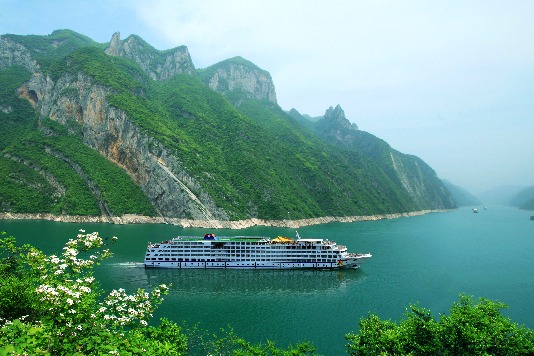
Three Gorges of the Yangtze River
Overview
The Three Gorges of the Yangtze River is one of the most renowned natural wonders in China, celebrated for its breathtaking scenery and cultural significance. Stretching across the Yangtze River, the longest river in Asia, the Three Gorges comprise Qutang Gorge, Wu Gorge, and Xiling Gorge, each offering distinct landscapes and historical landmarks. This geographical marvel attracts millions of tourists each year, eager to experience the dramatic vistas and rich cultural heritage that the region provides.
Geographic and Natural Features
Qutang Gorge
Qutang Gorge is the shortest and arguably the most spectacular of the three gorges, measuring about 8 kilometers long. It is known for its steep cliffs that rise sharply from the river, creating a narrow and imposing passage. The entrance to Qutang Gorge is marked by the Kuimen Gate, a natural gateway framed by towering cliffs, which is often likened to an open stone gate. This gorge is a testament to the erosive power of the river, offering a dramatic display of rugged natural beauty.
Wu Gorge
Wu Gorge, extending approximately 45 kilometers, is renowned for its deep valleys and mysterious allure. It features lush, forested mountains, with mist often shrouding the peaks, creating an ethereal atmosphere. Notable within the Wu Gorge is the Shennv Peak, also known as the Goddess Peak, which rises over 400 meters above the river. Legend has it that the peak resembles a kneeling maiden, adding a layer of myth and mystery to the gorge's already enchanting landscape.
Xiling Gorge
The longest of the three, Xiling Gorge spans a distance of about 66 kilometers. It is characterized by its treacherous shoals and turbulent waters, historically making it one of the most challenging sections to navigate on the river. Xiling Gorge is rich in historical sites and cultural relics, including ancient battlegrounds and temples, which provide a glimpse into the region's storied past. The modern-day construction of the Three Gorges Dam, located at the eastern end of Xiling Gorge, has altered the river's flow but also created new opportunities for tourism and economic development.
Cultural and Historical Significance
Shibaozhai Temple
Located in Zhongxian county, Shibaozhai Temple stands as a marvel of ancient Chinese architecture. It was originally built during the Ming Dynasty (1368-1644), and was expanded and took its current form during the Qing Dynasty (1644-1911). The temple is perched on a steep hill and is accessed by a 12-story wooden pagoda, which ingeniously wraps around the rock face. This architectural feat was designed to blend seamlessly with the natural environment, offering both spiritual significance and panoramic views of the surrounding landscape.
Baiheliang Underwater Museum
The Baiheliang Underwater Museum is a unique archaeological site that preserves ancient rock carvings and inscriptions used historically for hydrological research. These carvings, now submerged due to the reservoir created by the Three Gorges Dam, provide valuable insights into ancient Chinese civil engineering and water management practices. Visitors can explore these relics via underwater viewing facilities, offering a rare glimpse into China's historical relationship with the Yangtze River.
Three Gorges Museum
The Three Gorges Museum in Chongqing serves as a repository of the region's cultural heritage, housing 895 cultural relics uncovered from the Three Gorges area. As the largest cultural relic exhibition in Chongqing, the museum showcases artifacts ranging from ancient pottery to intricate jade carvings. The museum's exhibitions emphasize the importance of preserving and understanding the cultural history of the Three Gorges, highlighting both the artistic achievements and the daily lives of the people who have inhabited the area for millennia.
Tourism and Modern Developments
Yangtze River Cruises
Yangtze River cruises offer a luxurious and immersive way to explore the Three Gorges. Setting sail from Chongqing, these cruises provide travelers with the opportunity to witness the river's natural beauty and cultural landmarks from the comfort of world-class vessels. As passengers traverse the river, they can enjoy the stunning night scenery of Chongqing, known for its vibrant cityscape and illuminated bridges.
Three Gorges Dam
The construction of the Three Gorges Dam, one of the largest engineering projects in the world, has significantly impacted the region. While the dam has brought about ecological and environmental changes, it has also enhanced flood control, power generation, and navigational capacity along the Yangtze River. The dam itself has become a tourist attraction, drawing visitors interested in its engineering prowess and the expansive views it offers of the reservoir and surrounding landscapes. Article reference1. Chongqing exhibition sheds light on artifacts discovered in Three Gorges. chinaservicesinfo.com. 20242. Chongqing, a city full of surprises. chinadaily.com.cn. 20233. Learning Chinese at China Cultural Center in Berlin. chinadaily.com.cn. 2019Photo Gallery(9 pictures)CategoriesTourismTagCity TourismNatural WonderCatalogue1. Overview2. Geographic and Natural Features3. Cultural and Historical Significance4. Tourism and Modern Developments- - - []








